Rheumatoid Arthritis Medication List
rheumatology medications arthritis (RA) is one of the most common forms of arthritis.
RA is an inflammatory and autoimmune disease. It occurs when your body attacks its own healthy joint tissues. This results in redness, inflammation, and pain.
The main goal of rheumatology drugs is to block inflammation to help prevent joint damage.
Read on to learn about the many treatment options for RA
DMARDs and biologics
DMARDs
Disease-changing antirheumatic drugs (DMARDs) are utilized to diminish irritation. Dissimilar to different prescriptions that briefly ease agony and aggravation, DMARDs can slow the movement of RA. This implies you might have fewer side effects and less harm over time.
The most normal DMARDs used to treat RA include:

hydroxychloroquine (Plaquenil)
leflunomide (Arava)
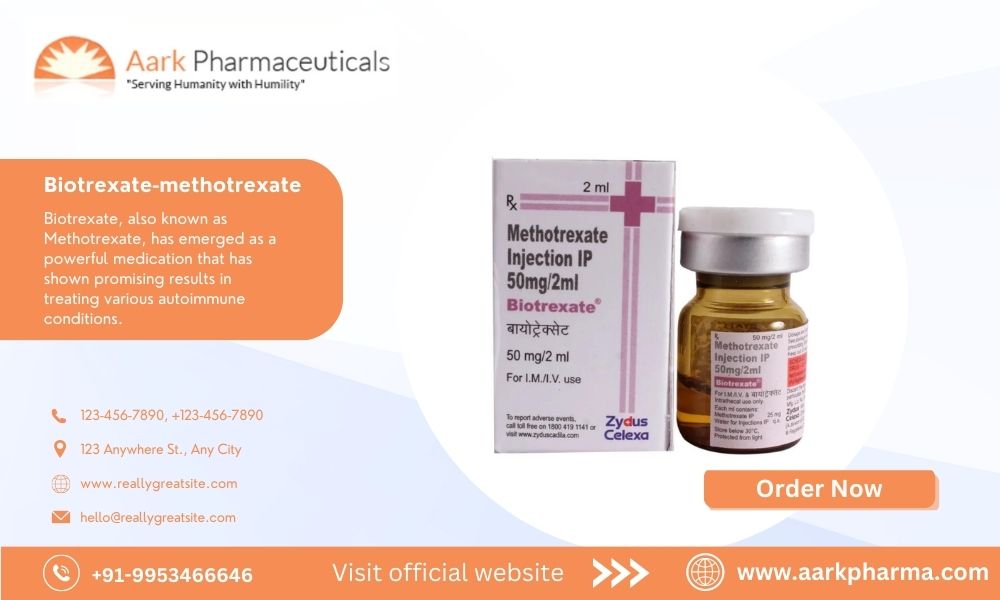
methotrexate (Trexall)
sulfasalazine (Azulfidine)
Biologics
Biologics are injectable medications. They work by obstructing explicit fiery pathways made by resistant cells. This diminishes irritation brought about by RA. Specialists endorse biologics when DMARDs alone aren't sufficient to treat RA symptoms.
Biologics aren't suggested for individuals with compromised insusceptible frameworks or a disease. This is on the grounds that they can raise the danger of genuine infections.
The most normal biologics include:
abatacept (Orencia)
adalimumab (Humira)
certolizumab pegol (Cimzia)
etanercept (Enbrel)
golimumab (Simponi)
infliximab (Remicade)
rituximab (Rituxan)
tocilizumab (Actemra)
Janus kinase (JAK) inhibitors
Your specialist might endorse JAK inhibitors if DMARDs or biologics aren't regarding your RA too. These drugs influence qualities and the movement of invulnerable cells in the body. They assist with forestalling aggravation and stop harm to joints and tissues.
JAK inhibitors include:
baricitinib (Olumiant)
tofacitinib (Xeljanz, Xeljanz XR)
upadacitinib (Rinvoq)
Before beginning a JAK inhibitor, request that your primary care physician guarantee you're exceptional on all inoculations, including prophylactic zoster immunizations (shingles vaccine).
The more normal results of these medications include:
upper respiratory diseases, similar to sinus contaminations or the normal cold
congested nose
runny nose
sore throat
influenza
shingles
cystitis (urinary bladder infection
Acetaminophen
Acetaminophen is accessible over the counter (OTC) without a medicine. It comes as an oral medication and a rectal suppository.
Other drugs are considerably more compelling at diminishing irritation and treating torment in RA. This is on the grounds that acetaminophen can treat gentle to direct agony, yet it doesn't have any calming action. In this way, it doesn't function admirably to treat RA.
This drug conveys the danger of genuine liver issues, including liver disappointment. Just take one medication that contains acetaminophen at a time.
Nonsteroidal mitigating drugs (NSAIDs)
NSAIDs are among the most generally utilized RA drugs. In contrast to other pain killers, NSAIDs appear to be more successful in treating indications of RA. This is on the grounds that they forestall inflammation.
Some individuals utilize OTC NSAIDs. Notwithstanding, more grounded NSAIDs are accessible with a prescription.
Side impacts of NSAIDs include:
stomach irritation
ulcers
erosion or consuming your stomach or intestines
stomach bleeding
kidney damage
In uncommon cases, these incidental effects can cause demise. Assuming you use NSAIDs for quite a while, your PCP will screen your kidney work. This is particularly probable in the event that you as of now have kidney disease.
Ibuprofen (Advil, Motrin IB, Nuprin)
OTC ibuprofen is the most widely recognized NSAID. Except if trained by your PCP, don't utilize ibuprofen for over a few days all at once. Taking this medication for a really long time can cause stomach dying. This danger is more noteworthy in more seasoned adults.
Ibuprofen is accessible in solution qualities too. In solution forms, the dose is higher. Ibuprofen may likewise be joined with narcotics, one more kind of torment drug. Instances of these remedy mix drugs include:
ibuprofen/hydrocodone (Vicoprofen)
ibuprofen/oxycodone (Combunox)
Naproxen sodium (Aleve)
Naproxen sodium is an OTC NSAID. It's frequently utilized as an option in contrast to ibuprofen. This is on the grounds that it causes marginally less incidental effects. Remedy variants of this medication offer more grounded dosages.
Aspirin (Bayer, Bufferin, St. Joseph)
Aspirin is an oral pain killer. It's utilized to treat less than overwhelming torment, fever, and irritation. It can likewise be utilized to forestall respiratory failure and stroke.
Prescription NSAIDs
When OTC NSAIDs don't mitigate your RA indications, your PCP might endorse a solution NSAID. These are oral medications. The most widely recognized choices include:
celecoxib (Celebrex)
ibuprofen (solution strength)
nabumetone (Relafen)
naproxen (Naprosyn)
naproxen sodium (Anaprox)
piroxicam (Feldene)
Other NSAIDs include:
diclofenac (Voltaren, Diclofenac Sodium XR, Cataflam, Cambia)
diflunisal
indomethacin (Indocin)
ketoprofen (Orudis, Ketoprofen ER, Oruvail, Actron)
etodolac (Lodine)
fenoprofen (Nalfon)
flurbiprofen
ketorolac (Toradol)
meclofenamate
mefenamic corrosive (Ponstel)
meloxicam (Mobic)
oxaprozin (Daypro)
sulindac (Clinoril)
salsalate (Disalcid, Amigesic, Marthritic, Salflex, Mono-Ge

Comments
Post a Comment