Oncology and its treatment
Malignant growth is a group of diseases where cells are potent (growth and division as far as possible), infiltrative (invading and destroying nearby tissues), and sometimes metastatic (different cells in the body). spread across regions). These three deleterious properties of diseases differentiate them from harmless cancers, which are self-restricted in their growth and do not attack or metastasize (although some harmless growth types are apt to become dangerous). Malignant growth can affect individuals of all ages, yet the risk for a more general classification will normally increase with age.
grouped by tissue

Diseases are usually grouped by the tissue from which the harmful cells begin, just as the normal cell types carry the most. These are fields and histology individually. As a rule a conclusive analysis requires histologic evaluation of a tissue biopsy eg by a pathologist, although there may be underlying signs of danger or radiographic imaging anomalies. Most malignant growths can be dealt with and some can be relieved, depending on the particular type, area, and stage. Once analyzed, the malignant growth is usually treated with a medical procedure, a combination of chemotherapy and radiotherapy. As investigations progress, treatments for different types of malignant growths are becoming more clear. Significant progress has been made in the improvement of specified treatments that act explicitly on specific subnuclear irregularities in a specific development, and that limit damage to specific cells. The prognosis of patients with malignant growth is most affected by the type of disease, as well as the stage or degree of disease. In addition, histological evaluation and the presence of clear nuclear markers may also be helpful in predicting, as in prescribing individual medications.
chemotherapy

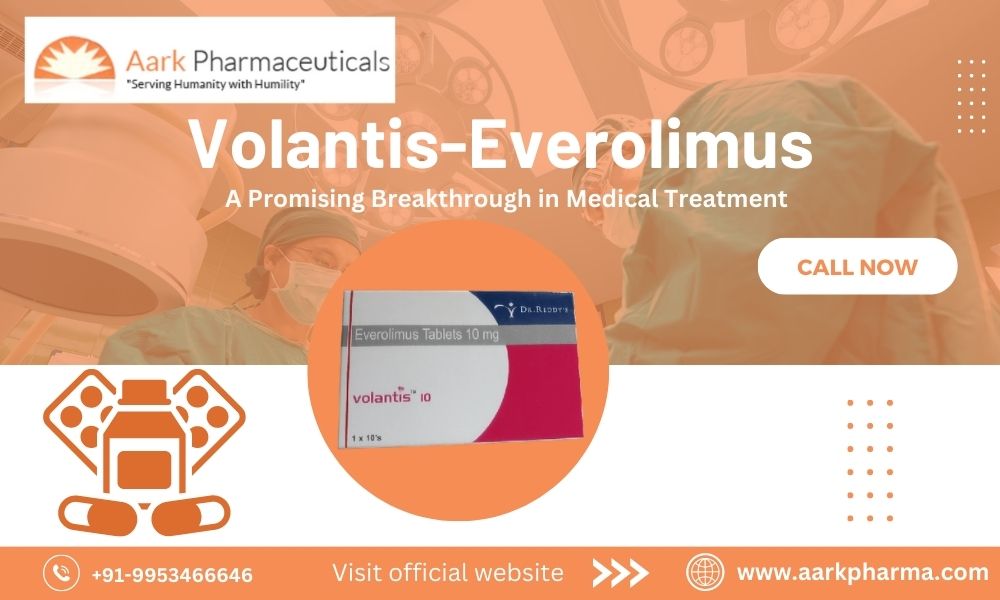
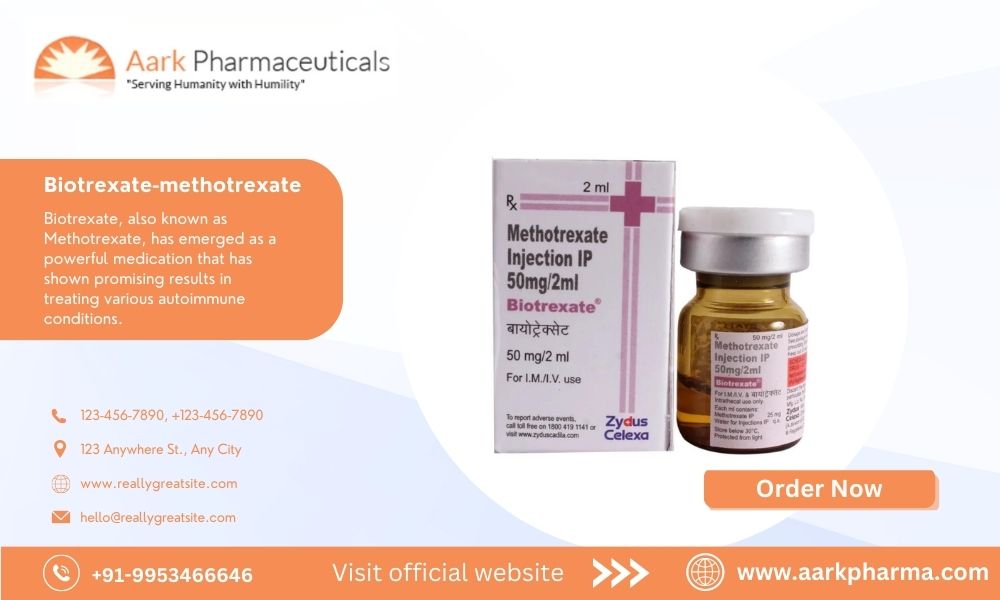
Chemotherapy is the treatment of disease with drugs ("anti cancer drug suppliers in india ) that can destroy malignant growth cells. In current usage, the expression "chemotherapy" usually refers to cytotoxic drugs that usually affect rapidly dividing cells, in contrast to specified treatments (see below). Chemotherapy drugs interfere with cell division in a variety of possible ways, for example with the duplication of DNA or the division of recently shaped chromosomes. Most types of chemotherapy all focus on rapidly proliferating cells and malignant growth is not evident for cells, although some level of explanation may come from the inability of many disease cells to repair DNA damage, whereas Normal cells can enlarge. Subsequently, chemotherapy can potentially damage sound tissue, particularly tissues that have a high replacement rate (eg the digestive coating). These cells usually repair themselves after chemotherapy.
Because some medicines work better together than alone, at least two oncology medicine distributors are often given together. This is classified as "mix chemotherapy"; Most chemotherapy regimens are given in a combination. Treatment of some leukemias and lymphomas requires the use of high-part chemotherapy, and full body illumination (TBI). This treatment removes the bone marrow, and thus the body's ability to replenish and regenerate blood. Therefore, bone marrow, or fringe blood undifferentiated cell reaping is performed prior to ablative grinding of the treatment, to empower "rescue" after the treatment is given. This is known as autologous aplastic cell transplantation.
Contact information
Aark Pharmaceuticals
Address: S-14, 1st Floor, Uphaar Cinema Complex Market, Green Park Extn.
Email: sales@aarkpharma.com
Phone: (+91) 99534-66646

Comments
Post a Comment